
Missed a car or boat payment and worried about waking up to an empty driveway? Repossession in Arizona can happen quickly and without warning — but you have more rights, and more options, than most people realize. Rock Law Firm, based in Gilbert, Arizona, helps residents across Maricopa County, Phoenix, and all across Arizona understand their rights, stop wrongful repossessions, and use bankruptcy protection to keep the vehicles and property they depend on.
Attorney Jacob Goodman built Rock Law Firm on a simple idea: financial trouble is stressful enough without a lawyer who makes you feel judged. We call ourselves the “nice guy law firm” because we meet every client with empathy and a clear plan — and we offer low-down bankruptcy filing options for those who qualify.
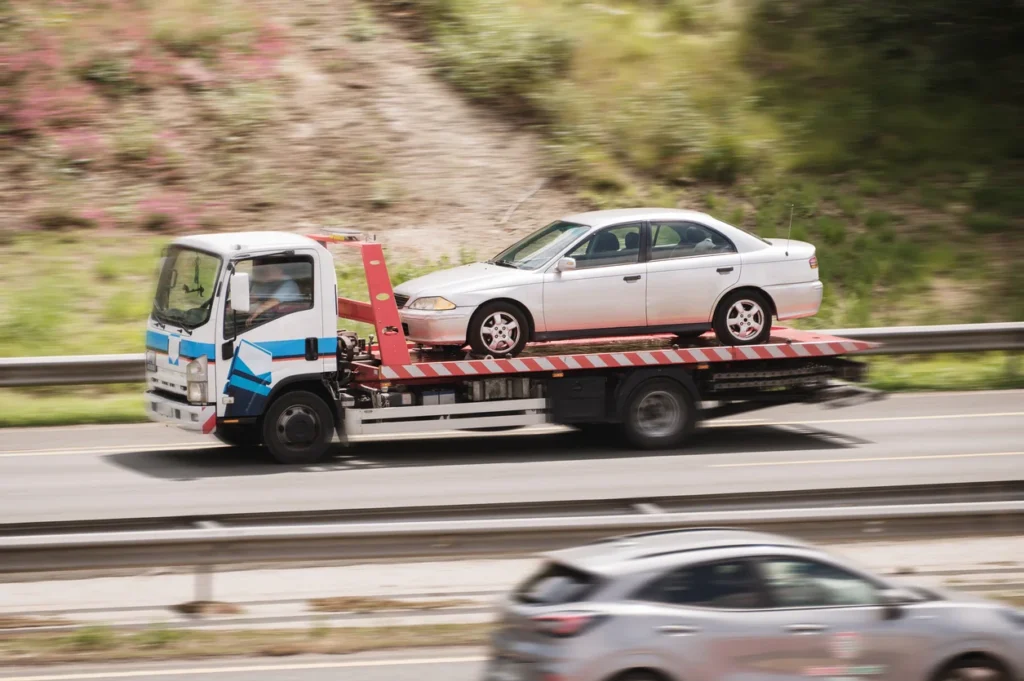
Arizona is what’s known as a “self-help” repossession state. Under Arizona Revised Statutes § 47-9609 (2025), a lender with a valid lien on your vehicle’s title can repossess it without a court order and, in most cases, without advance notice — as soon as you’re in default on your loan. Default is usually triggered by a missed payment, but it can also result from lapsed insurance or other violations of your loan contract, depending on what your agreement says.
Because no notice is legally required, repossession agents often work at night specifically to avoid confrontation. This can feel jarring, but it’s standard, legal practice under Arizona and federal law — as long as the lender doesn’t cross the line into a “breach of the peace.”
Arizona law strictly prohibits repossession that involves a breach of the peace. This is one of the most important protections you have, and violations can make a repossession unlawful. A breach of the peace generally includes:
If an agent breaches the peace, the lender can lose its right to a deficiency judgment and may be liable for damages. If you believe your repossession was handled unlawfully, document everything and speak with an attorney promptly.
The Right to Redeem Your Vehicle
Arizona law gives you the right to redeem your vehicle at any point between repossession and the moment the lender sells it (or signs a contract to sell it) — by paying the full outstanding loan balance plus reasonable repossession and storage costs. The lender’s post-repossession notice should explain how to redeem and who to contact.
Unlike some states, Arizona does not have a separate “reinstatement” law that guarantees you can simply catch up missed payments and get the car back on the original loan terms — redemption requires paying the full balance, though some lenders will informally negotiate a payment arrangement.
The Right to a Commercially Reasonable Sale
If you don’t redeem the vehicle, the lender must sell it in a “commercially reasonable manner” — generally meaning a fair attempt to get market value, whether through a public auction or private sale. You’re entitled to notice of the sale, and if the vehicle sells for more than you owe, you’re entitled to that surplus (though this is uncommon once fees are factored in).
Your Right to Personal Property
Personal belongings left inside a repossessed vehicle remain yours. Lenders and repossession companies are generally required to allow you to retrieve personal items that aren’t part of the vehicle itself, and improperly withholding or damaging your belongings can be grounds for a separate legal claim.
If your vehicle sells for less than the total amount you owe — including the remaining loan balance, repossession costs, storage fees, and other charges permitted under your contract — you remain legally responsible for the difference. This is called a deficiency.
A deficiency judgment doesn’t have to be the end of the story. Depending on your overall financial picture, bankruptcy may allow you to discharge a deficiency balance along with your other unsecured debt.
If you’re behind on payments and worried about losing your vehicle — or it’s already been taken — you have real options:
If your lender hasn’t repossessed your car yet, filing bankruptcy generally stops the repossession in its tracks through the automatic stay. If your vehicle has already been repossessed but not yet sold, filing Chapter 13 can, in many cases, let you recover it — your repayment plan can include the missed payments (the “arrearage”), and as long as you stay current going forward, the lender generally cannot repossess the vehicle again during or after your case. Timing matters: once a vehicle is sold at auction, your options narrow significantly, so speed is critical.
Chapter 13 can also sometimes let you “cram down” an older vehicle loan to the car’s actual value if the loan is more than 91 days old and other requirements are met — potentially lowering your payment and total amount owed. Chapter 7 can discharge a deficiency balance on a vehicle you’ve already lost, giving you a clean break from that debt.



Yes. Arizona permits “self-help” repossession. Once a borrower is in default under the loan agreement, a lender generally may repossess the vehicle without advance notice or a court order, provided the repossession occurs without a breach of the peace. Depending on the loan terms, repossession may occur after a single missed payment and may happen without warning, including at night.
You generally have the right to redeem the vehicle any time between repossession and sale by paying the full loan balance plus reasonable repossession and storage costs. Arizona doesn’t have a formal reinstatement law that lets you simply catch up missed payments outside of this redemption right, though some lenders will negotiate.
The lender can pursue you for the deficiency — the difference between what you owed and what the sale brought in — through a lawsuit and potential wage garnishment. Arizona creditors generally have four years to file suit.
No. Arizona law prohibits any repossession that breaches the peace, including the use of force, threats, or entry into a locked garage without permission. A breach of the peace can make the repossession unlawful.
Yes. Filing Chapter 7 or Chapter 13 bankruptcy triggers an automatic stay that immediately halts a pending repossession. If your vehicle was already taken but not sold, Chapter 13 can, in many cases, help you get it back.
Whether repossession is threatening or has already happened, don’t face it alone — let Rock Law Firm be your rock through the storm of debt.